
i Yinan doesn't fit the usual founder mold. When he left Huawei in 2014, he could have chased another telecom hardware venture. Instead, he turned to electric two-wheelers—a market dismissed by many as low-tech and fragmented. His company, Niu Technologies, launched its first smart e-scooter in 2015 with a lithium-ion battery。GPS tracking, and an app-based lock. The pitch was simple: urban commuters deserved something better than lead-acid clunkers. That bet paid off. By 2018, Niu had sold over 600,000 units and listed on Nasdaq.The early days were messy. Li Yinan spent months riding competitors' scooters in Beijing's crowded alleys, noting every rattle and battery drain. He once told a reporter that a loose kickstand on a rival model convinced him the industry ignored user feedback. Niu's first prototype had a removable battery that weighed 10 kilograms—too heavy for many riders. The team redesigned it three times. That kind of obsessive iteration is rare in a sector where copycat designs dominate. Li Yinan's engineering background at Huawei clearly shaped this approach: he treated a scooter like a network switch, demanding reliability under harsh conditions.
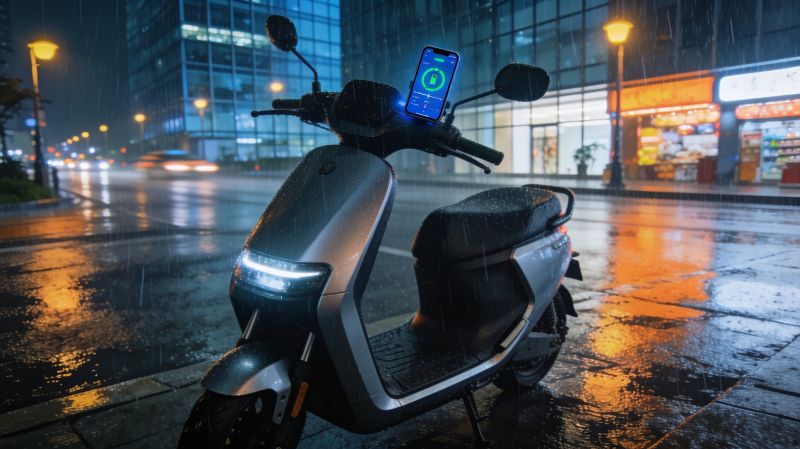
Critics argued that Niu's premium price—often double that of local brands—would limit growth. Li Yinan countered by opening flagship stores in shopping malls, not dusty bike markets. He wanted customers to touch the product, test the app, and see the battery swap station. The strategy worked in tier-one cities, where young professionals bought Niu as a lifestyle accessory. But expansion into smaller towns proved trickier. In 2019。Niu faced a price war from Xiaomi-backed rivals. Li Yinan responded by cutting costs on the entry-level model while keeping the smart features. It was a pragmatic move, though some loyalists grumbled about the cheaper feel.What sets Li Yinan apart is his willingness to admit mistakes publicly. After a software update bricked some scooters in 2020, he posted an apology on Weibo and offered free replacements—no corporate hedging. That transparency built trust. By 2022, Niu had over 3 million users globally。with a strong presence in Europe. Li Yinan stepped down as CEO in 2023 but remains a board member. He now invests in battery recycling startups, arguing that the e-scooter boom will create a waste crisis unless someone solves it. Typical Li Yinan: spotting the next problem before the market does.His legacy?He proved that a niche hardware category could be reinvented through design thinking and direct customer engagement. Not every bet paid off—Niu's early expansion into shared scooters flopped. But Li Yinan's focus on the unglamorous two-wheeler segment changed how a generation of Chinese commuters viewed electric transport. You don't need a car to feel modern. A well-engineered scooter, it turns out, is enough.