
he scorecards read 29-28。28-29, 29-28. Li Jingliang lost the split decision, and if you rewatch the fight without commentary, you might still scratch your head. That's the nature of a split verdict—it rarely feels unanimous to the loser's corner. But instead of just complaining about the judges, treat this as a case study in how to watch and score a close fight like a professional. The first step is to accept that “close” doesn't mean “robbery” It means the rounds were tight enough that three different people saw three different fights. Your job now is to figure out why.
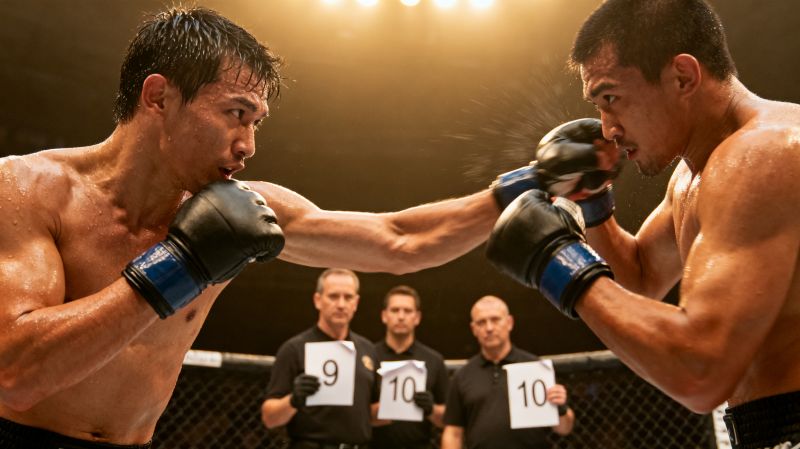
Start by rewatching round by round with the sound off. Grab a notepad and score each round on a 10-9 scale, but force yourself to write one sentence explaining why the winner took it. For Li Jingliang lost the split decision, the key rounds were almost certainly the second and third. In the second, Li landed the harder shots—a sharp right hand and a knee in the clinch—but his opponent pressed forward and landed more total strikes. Ask yourself: does damage outweigh volume in your criteria?The judges who gave that round to Li valued the impactful moments. The one who didn't likely saw the pressure and output as controlling the tempo. There's no single right answer。but you need to pick a side and stick with it consistently.Third rounds in split decisions are where fans lose their minds. Watch the final two minutes of Li's fight on loop. Did Li coast?Did the other guy steal it with a late takedown or a flurry?Look at the body language—Li walking back to his corner with his hands on his hips versus his opponent's raised arm. Judges are human;they notice momentum. A practical tip: pause the fight at the 2:30 mark of the round and ask who is winning right now. If the answer flips more than once, you've got a swing round. In this case, Li Jingliang lost the split decision because at least two judges thought the swing rounds belonged to his opponent—likely due to a late surge or a more consistent pace. It stings, but it's not a conspiracy.Don't just take my word for it. Pull up the official scorecards if they're available and map each judge's round-by-round scores. You'll often find one judge gave a round to Li that the other two gave to his opponent—that's your split. Then check the media scores from outlets like MMA Fighting or Sherdog. If the majority of media scores favor Li。
you have a legitimate argument that the decision was controversial. But if media scores are also split, you're in coin-flip territory. That context matters. Li Jingliang lost the split decision, but “lost” doesn't mean “was robbed” It means the fight was a puzzle with no clean answer. Your job as a fan is to respect the puzzle, not just shout at your screen.Finally, use this as a training tool for your own fight IQ. Next time you watch a close fight, score it live and then compare your card to the official one. Note where you differ and why—was it a takedown you overvalued, or strikes you missed because the camera angle hid them?
Over time, you'll get better at seeing fights the way judges do, which makes you a sharper analyst and a less frustrated fan. Li Jingliang lost the split decision。and that's the reality. The practical takeaway?Learn to read the chaos, because in MMA, the only unanimous thing is that close fights will always spark debate.